Sales of New Homes in U.S. Increased 11.1% in March to 300,000 Annual Rate
By -
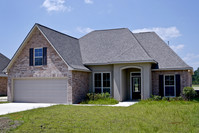
A newly constructed home sits for sale in Bedico, Louisiana, on Aug. 25, 2010. Photographer: Derick E. Hingle/Bloomberg

April 25 (Bloomberg) -- John Silvia, chief economist at Wells Fargo Securities, discusses today's report on March U.S. new-home sales. Purchases of new houses climbed 11.1 percent last month to a 300,000 annual pace, faster than forecast, according to a Commerce Department report. Silvia speaks from Charlotte, North Carolina, with Margaret Brennan on Bloomberg Television's "InBusiness." (Source: Bloomberg)

April 21 (Bloomberg) -- Michael Feder, chief executive officer of Radar Logic Inc., talks about the state of the U.S. housing market. He speaks with Carol Massar and Matt Miller on Bloomberg Television's "Street Smart." (Source: Bloomberg)
Purchases of new houses in the U.S. rose in March from a record low as the weakest industry in the economy strained to recover.
New-home sales, tabulated when contracts are signed, climbed 11.1 percent to a 300,000 annual pace, faster than forecast, figures from the Commerce Department showed today in Washington. The median estimate in a Bloomberg News survey called for a rise to 280,000. Housing prices fell from a year ago.
The market for new homes faces competition from a glut of foreclosed properties that may keep prices depressed this year, discouraging new construction. Unemployment above 8 percent and housing’s struggles help explain why the Federal Reserve may announce at the end of this week’s policy meeting that it plans to complete the purchase of $600 billion of Treasuries by June.
“It’s a nice rebound from February but the bottom line is housing is continuing to trend sideways,” said Omair Sharif, an economist at RBS Securities Inc. in Stamford, Connecticut, who correctly forecast March sales. “Builders have been doing their bit in paring inventory but the problem is they’re facing competition from distressed properties, high unemployment and prices that are still falling.”
Estimates in the Bloomberg survey of 68 economists ranged from 247,000 to 300,000. Sales in February were revised to a 270,000 annual rate from a 250,000 previously reported.
Stocks fell as lower commodity prices drove down energy and raw-material producers. The Standard & Poor’s 500 Index declined 0.2 percent to 1,335.25 at the 4 p.m. close in New York.
Median Price
The median sales price decreased 4.9 percent from the same month last year, to $213,800, today’s report showed.
Purchases rose in three of four U.S. regions last month, led by a 67 percent surge in Northeast after a 54 percent slump a month earlier. Sales in the South were little changed at a 162,000 pace after February’s 163,000.
The supply of homes at the current sales rate fell to 7.3 month’s worth in March from 8.2 months. There were 183,000 new houses on the market at the end of March, the fewest since August 1967, indicating builders are reducing construction.
Previously-owned home purchases climbed 3.7 percent to a 5.1 million annual rate in March as a mounting supply of properties in or near foreclosure lured investors, a National Association of Realtors report showed April 20. All-cash deals accounted for 35 percent of the transactions, the most on record, while distressed properties including foreclosures and short sales made up 40 percent of all deals, the group said.
Existing-Home Sales
New-home sales are considered a more timely barometer than purchases of previously owned homes, which are calculated when a contract closes. Resales account for about 95 percent of the housing market so far this year.
Housing demand gyrated in 2010, reflecting a boost from a homebuyer tax incentive of as much as $8,000 that gave way to a plunge in sales by mid-2010 after the credit ended.
While sales have steadied, they have yet to strengthen, keeping builders pessimistic. The National Association of Home Builders’ confidence index fell to 16 this month from 17 in March. A reading under 50 means a majority of builders view conditions as poor.
KB Home, the Los Angeles-based homebuilder that targets first-time buyers, reported a bigger-than-expected loss for the quarter ended Feb. 28 as orders plunged.
“A sustained, broad-based housing recovery will not occur until we start to experience material job creation,” Chief Executive Officer Jeffrey Mezger said during a conference call with analysts on April 5.
An unemployment rate projected to average 8.7 percent in 2011, according to a Bloomberg survey earlier this month, may restrain demand and lead to more distressed properties. Foreclosure filings will climb about 20 percent in 2011, reaching a peak for the housing crisis, according to a forecast in January from RealtyTrac Inc., an Irvine, California-based data seller.
The housing market was either “little changed from low levels” or weaker across the country, the Fed said in its Beige Book report on April 13. The lack of a sustained housing rebound is among reasons policy makers will complete their $600 billion asset purchase plan and hold borrowing costs near zero to spur growth.
Fed central bankers conclude a two-day policy meeting on April 27. At their March 15 meeting, officials said in their statement that the “housing sector continues to be depressed.”
To contact the reporters on this story: Shobhana Chandra in Washington at [email protected]
To contact the editor responsible for this story: Christopher Wellisz at [email protected]
Sponsored Links
Advertisement
Advertisement
Advertisements
Sponsored Links
 Rate this Page